 September 1st, 2026
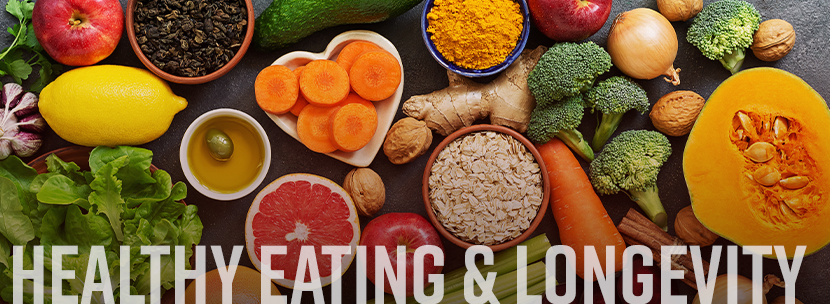
The Longevity Diet for Seniors: A Guide to Eating Well and Aging Well
What if eating for longevity was less about restriction and more about enjoying the foods that help support strength, energy, connection and healthy aging?
At American House Senior Living, food is more than something served at mealtime. It is part of a larger approach to aging well. Nutritious, satisfying meals can help support the changing needs of older adults while also creating opportunities for conversation, routine, comfort and community.
That idea is at the heart of the longevity diet, a plant-forward way of eating inspired by research on healthy aging, Mediterranean-style diets and long-lived communities often called Blue Zones. While no single diet can promise a longer life, research continues to show that eating more vegetables, fruits, beans, whole grains, nuts, healthy fats and minimally processed foods can support better health as we age.
A 2025 Harvard-led study published in Nature Medicine followed more than 105,000 adults for up to 30 years. The researchers found that people who most closely followed healthy dietary patterns rich in fruits, vegetables, whole grains, nuts, legumes and healthy fats had significantly greater odds of reaching age 70 in good physical, cognitive and mental health. Participants with the highest Alternative Healthy Eating Index scores had an 86% greater likelihood of healthy aging at age 70 compared with those with the lowest scores.
This guide explains what the longevity diet is, which foods are most often connected with healthy aging, what seniors may want to limit and how American House brings many of these principles to life through dining, wellness and community.
Why a Longevity Diet Matters After 60
As we get older, our nutritional needs often change. Many older adults need fewer calories than they did earlier in life, but they still need plenty of protein, fiber, vitamins, minerals and healthy fats.
A longevity diet can fit this stage of life because it focuses on nutrient-dense foods. These foods provide more nutrition in every bite, which can help support muscle strength, bone health, heart health, digestion, immune function and everyday energy.
For many older adults, the longevity diet offers a practical framework for choosing foods that support energy, strength and healthy aging without feeling restrictive.
Harvard’s Nutrition Source notes that healthy longevity is not just about lifespan. It is also about healthspan, or the number of years a person lives in good health and with strong function. Harvard highlights healthy diet, regular exercise, healthy weight, no smoking and moderate alcohol intake as key lifestyle factors associated with longer, healthier life.
For seniors, that means eating well is not about chasing perfection. It is about building daily habits that make it easier to stay active, nourished and connected.
What Is the Longevity Diet?
The longevity diet is a plant-forward eating pattern focused on vegetables, fruits, beans, lentils, whole grains, nuts, seeds, healthy fats and minimally processed foods. For seniors, it can be adapted to include enough protein, calories and nutrients to support strength, energy and healthy aging.
Dr. Valter Longo, a researcher known for his work on aging and cellular health, helped popularize one well-known version of the longevity diet. His daily longevity diet focuses on foods such as grains, vegetables, legumes, beans, fruit and fish, with less emphasis on red meat and highly processed foods.
In practical terms, a longevity diet for seniors often includes:
- Vegetables and fruits, especially leafy greens, berries and colorful produce
- Beans, lentils, chickpeas and other legumes
- Whole grains such as oats, quinoa, brown rice and whole-grain bread
- Healthy fats from olive oil, nuts, seeds and avocados
- Protein from fish, poultry, eggs, dairy, beans, soy foods, nuts and seeds
- Fewer ultra-processed foods, sugary drinks, processed meats and excess sodium
The goal is not to follow a rigid diet. It is to create a sustainable eating pattern that supports healthy aging and still feels enjoyable.
Research Snapshot: What the Science Says About Eating for Healthy Aging
A growing body of research connects high-quality diets with healthier aging.
The 2025 Nature Medicine study used data from the Nurses’ Health Study and the Health Professionals Follow-Up Study to examine long-term eating patterns and healthy aging. Healthy aging was defined as reaching age 70 free of major chronic diseases while maintaining cognitive, physical and mental health.
The study found that higher intakes of fruits, vegetables, whole grains, unsaturated fats, nuts, legumes and low-fat dairy products were linked to greater odds of healthy aging. Higher intakes of trans fats, sodium, sugary beverages and red or processed meats were linked with lower odds of healthy aging.
Healthy aging is not only about living longer. It is about maintaining strength, independence, cognitive health and quality of life.
The Mediterranean diet also offers helpful evidence. A review published by Cambridge University Press found that closer adherence to the traditional Mediterranean diet and longevity was associated with a significant decrease in general mortality among older adults studied in Greece, Spain, Denmark and Australia.
How the Blue Zones Connect to the Longevity Diet
Blue Zones are regions of the world known for unusually high concentrations of people who live long, healthy lives. These communities were brought into public awareness by researcher and journalist Dan Buettner and include:
- Sardinia, Italy
- Okinawa, Japan
- Ikaria, Greece
- Nicoya Peninsula, Costa Rica
- Loma Linda, California
The Blue Zones are not all exactly the same. Each community has its own culture, traditions and foods. Still, researchers have observed several shared lifestyle patterns. People in these regions tend to eat mostly plant-based foods, include beans regularly, limit highly processed foods, move naturally throughout the day, maintain strong social ties and often eat with family or friends.
Blue Zones research has reported that many of these communities eat mostly plant-based diets and feature beans, lentils or other legumes frequently. Meat is typically eaten less often and in smaller portions.
This matters because the longevity diet is not just a list of foods. It is part of a broader lifestyle. Eating well, moving regularly, managing stress, having purpose and staying connected can work together to support aging well.
Why Protein Matters More as You Age
Many longevity diet articles focus heavily on plant-based eating. That is important, but for seniors, protein deserves special attention.
As adults age, muscle mass and strength tend to decline. This can affect balance, mobility, stamina and independence. The American Heart Association has noted that muscle mass and strength can start declining in midlife and may decline more quickly later in life.
That does not mean every senior needs the same amount of protein. Needs vary depending on age, health conditions, activity level, appetite and medical guidance. Some older adults, especially those with kidney disease or certain chronic conditions, should talk with a doctor or registered dietitian about the right amount.
Good protein sources for seniors can include:
- Fish and seafood
- Poultry
- Eggs
- Greek yogurt, cottage cheese, milk or fortified alternatives
- Beans, lentils, chickpeas and peas
- Tofu, tempeh and edamame
- Nuts, seeds and nut butters
The National Council on Aging offers helpful guidance on protein needs for older adults. A simple approach is to include protein at each meal instead of saving most of it for dinner. For example, oatmeal with Greek yogurt at breakfast, a chickpea salad at lunch and baked fish with vegetables at dinner can help distribute protein throughout the day.
Building Your Longevity Plate: Key Foods for Healthy Aging
A longevity plate does not need to be complicated. The easiest place to start is by building meals around whole foods that provide fiber, protein, healthy fats and important nutrients.
Harvard’s Healthy Eating Plate recommends filling half the plate with vegetables and fruits, one quarter with whole grains and one quarter with healthy protein. It also encourages healthy plant oils, water and regular physical activity.
Fill Half Your Plate with Plants
Vegetables and fruits are central to the longevity diet. They provide fiber, vitamins, minerals and plant compounds that support overall health.
Good choices include:
- Spinach, kale, arugula, collard greens and Swiss chard
- Broccoli, cauliflower, Brussels sprouts and cabbage
- Tomatoes, peppers, carrots, squash and sweet potatoes
- Blueberries, strawberries, raspberries, oranges, apples and pears
Dark leafy greens and colorful vegetables are especially helpful because they make meals more nutrient-dense without requiring large portions.
Make Beans, Lentils and Whole Grains Regular Staples
Beans, lentils, chickpeas and peas are some of the most consistent foods found in longevity-focused eating patterns. They offer fiber, plant-based protein and long-lasting energy.
Whole grains such as oats, brown rice, quinoa, barley, farro and whole-grain bread can also support digestion and heart health. Pairing beans with whole grains can create satisfying meals that are budget-friendly and easy to adapt.
Simple meal ideas include:
- Lentil soup with vegetables
- Black beans with brown rice and avocado
- Chickpea salad with olive oil dressing
- Oatmeal with berries and walnuts
- Whole-grain toast with eggs or hummus
Choose Healthy Fats, Nuts and Seeds
Healthy fats add flavor and help make meals satisfying. Olive oil is a major part of Mediterranean-style eating and is commonly used in longevity-inspired meals.
Nuts and seeds also provide healthy fats, fiber, minerals and plant-based protein. Try walnuts, almonds, pistachios, pecans, chia seeds, flaxseeds, pumpkin seeds or sunflower seeds.
A small handful of unsalted nuts can make a simple snack. Seeds can be added to oatmeal, yogurt, salads and smoothies.
Add Fish, Berries and Green Tea
Fish such as salmon, sardines, trout and mackerel provide protein and omega-3 fatty acids, which are associated with heart and brain health.
Berries are rich in fiber and antioxidants. They are easy to add to breakfast, snacks, desserts or salads.
Green tea contains plant compounds called catechins. While green tea is not a magic solution, it can be a healthy beverage choice when served without added sugar.
Foods and Habits to Minimize
A longevity diet does not require a long list of forbidden foods. A more realistic goal is to make nutrient-dense foods the everyday foundation and enjoy less nutritious foods less often.
Research has linked higher intakes of ultra-processed foods, processed meats, sugary beverages, excess sodium and trans fats with poorer healthy aging outcomes.
Foods and habits to limit may include:
- Sugary drinks
- Frequent processed meats such as bacon, sausage, hot dogs and some deli meats
- Packaged snacks high in sodium, sugar or unhealthy fats
- Fried foods eaten often
- Large portions of refined grains and sweets
- Eating alone every day when social meals are possible
That last point matters. In many long-lived communities, meals are also social experiences. Sharing food with others can encourage better routines, slower eating and a stronger sense of connection.
Practical Tips for Starting a Longevity Diet
The best diet for seniors is one that is enjoyable, realistic and safe to follow. You do not need to change everything at once.
Start with small steps:
- Add one vegetable to lunch or dinner.
- Choose oatmeal or whole-grain toast instead of refined grains at breakfast.
- Add beans or lentils to soup, salad or pasta.
- Swap butter for olive oil when it makes sense.
- Keep fruit, yogurt, hummus or unsalted nuts available for snacks.
- Drink water throughout the day.
- Eat meals with others when possible.
- Ask a doctor or registered dietitian about personal nutrition needs, especially if you have diabetes, kidney disease, heart disease, swallowing concerns or appetite changes.
The National Institute on Aging recommends planning meals ahead, choosing nutrient-rich foods and paying attention to food safety, hydration and changing appetite needs as adults age. Their healthy meal planning tips for older adults can be a helpful starting point.
Easy Meal Ideas for Healthy Aging
Here are simple meal ideas inspired by longevity diet principles.
Breakfast: Greek yogurt with berries and walnuts, or oatmeal with banana, chia seeds and cinnamon. Pair with green tea, water or black coffee.
Lunch: Mixed greens with cucumbers, tomatoes, chickpeas or grilled chicken, olive oil vinaigrette and whole-grain bread.
Dinner: Baked salmon, roasted broccoli and brown rice or quinoa.
Snacks: Fresh fruit, hummus with vegetables, cottage cheese, a boiled egg or a small handful of unsalted almonds.
The goal is not perfection. It is creating meals you enjoy that also give your body the nutrients it needs.
Beyond Nutrition: Lifestyle Factors for Aging Well
The longevity diet is a strong foundation, but food is only one part of healthy aging.
Keep Moving
One of the most consistent observations from Blue Zones communities is that movement is part of daily life. Residents often walk, garden, cook, visit neighbors and complete chores that keep them active.
Harvard’s Nutrition Source notes that regular physical activity lowers the risk of chronic conditions that become more common with age, including heart disease, hypertension, diabetes, osteoporosis, some cancers and cognitive decline.
For seniors, movement might include walking, dancing, gardening, stretching, water fitness, chair yoga, tai chi or group exercise classes. Always choose activities that match your abilities and ask a health care provider if you have concerns.
Stay Connected
Social connection is also central to healthy aging. Meals can be a natural way to connect with others, whether around a family table, in a community dining room or during a special event.
Many Blue Zones communities place a high value on family, friendship, faith, purpose and belonging. Harvard Health summarizes these ideas in its article on living in the Blue Zone. These habits cannot be measured on a nutrition label, but they can make daily life more meaningful.
Frequently Asked Questions About the Longevity Diet
What is the longevity diet?
The longevity diet is a way of eating focused on whole, nutrient-rich foods that may support healthy aging. It typically emphasizes vegetables, fruits, beans, lentils, whole grains, nuts, seeds, olive oil and moderate amounts of fish or other healthy proteins.
Is the longevity diet good for seniors?
Many principles of the longevity diet can support senior health, including fiber-rich foods, healthy fats, plant-based proteins and minimally processed meals. Seniors should also make sure they get enough protein, calories, vitamins and minerals for their personal needs.
What foods are best for longevity?
Common foods for longevity include leafy greens, beans, lentils, chickpeas, whole grains, nuts, seeds, olive oil, berries, fish and green tea. These foods are often found in Mediterranean-style and Blue Zones-inspired eating patterns.
Is the longevity diet the same as the Mediterranean diet?
They are similar but not identical. Both focus on whole foods, vegetables, legumes, healthy fats and fewer processed foods. The Mediterranean diet often includes olive oil, fish, whole grains, fruits, vegetables and social meals, making it a practical model for many seniors.
What foods should seniors limit for healthy aging?
Seniors may benefit from limiting ultra-processed foods, sugary drinks, excess sodium, processed meats and frequent fried foods. The goal is not to avoid every treat, but to make nutrient-dense foods the everyday foundation.
How can senior living communities support healthy eating?
Senior living communities can make healthy eating easier through chef-prepared meals, dietitian-reviewed menus, social dining, wellness programs and access to nutritious options that fit residents’ preferences and needs.
Aging Well at American House
At American House Senior Living, the principles behind the longevity diet show up in the dining room, the fitness schedule and the community around you.
Our chef-prepared dining program is reviewed by dietitians and features seasonal, heart-healthy menu options containing locally sourced ingredients. Residents who reach 100 years old are also invited to join our Longevity League, an exclusive club celebrating centenarians who call American House home.
Aging well is about more than what is on your plate. It is about movement, nourishing food, meaningful routines and people to share life with. Those are the same ideas found in many long-lived communities around the world, and they are part of everyday life at American House.
Come join us for a meal and see how American House Senior Living makes healthy aging feel welcoming, flavorful and connected. Find an American House community near you or explore our chef-prepared dining program to learn more.

More to read


Let’s find your community
Maintaining a home and your health can become a challenge as you age. American House provides the care, amenities and services that make life easier. Find out how American House can help you live life to its fullest.
